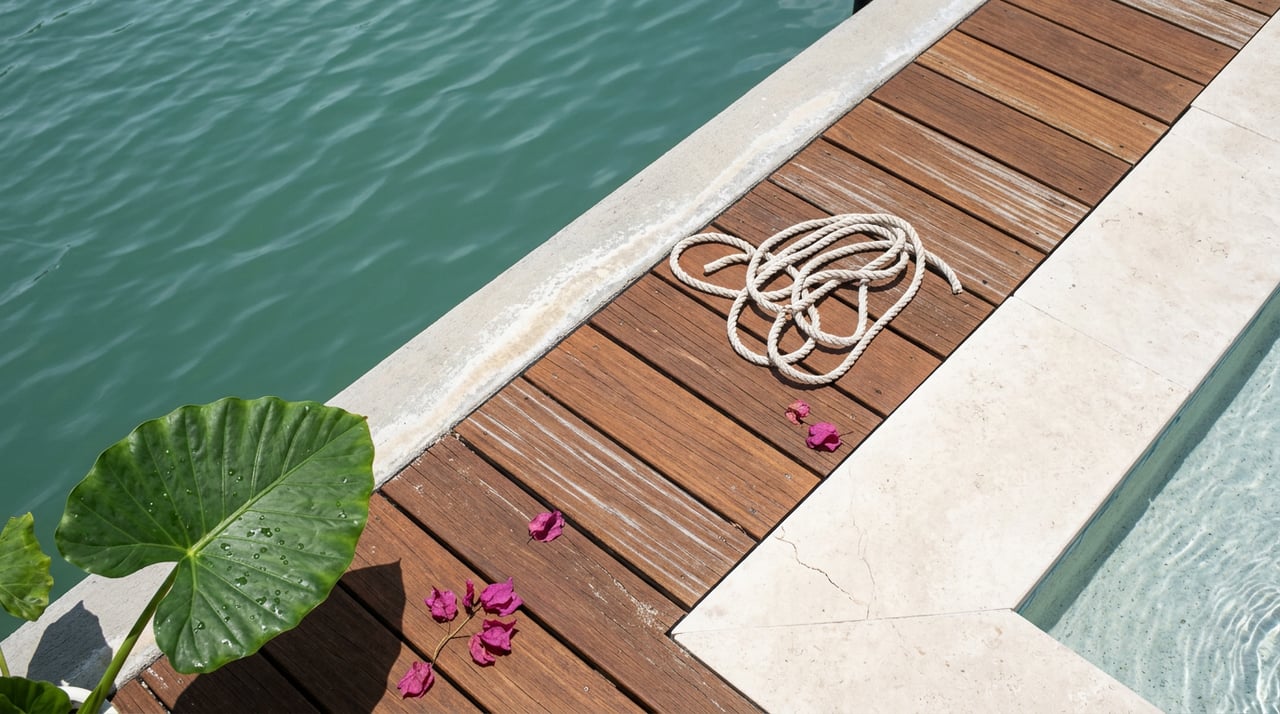
The Three Words That Actually Price a Delray Beach Waterfront Home
September 10, 2026
September 10, 2026
"No fixed bridges." Three words, buried in the fourth line of a listing description, usually right after the dock length and right before the pool specs. Most buyers skim past them the same way they skim past HOA disclosure boilerplate. In Delray Beach's canal-front market, those three words are doing more pricing work than the square footage above them.
Here is the mechanism. A fixed bridge is exactly what it sounds like: a span that does not move, with a vertical clearance permanently set somewhere between 10 and 30 feet depending on the structure. A drawbridge, bascule bridge, or swing bridge can lift or open to let a tall vessel pass. A fixed bridge never will. If your dock sits behind one, your usable boat size, and eventually your buyer pool, is capped by that number on a county engineering plan, not by anything you can negotiate or renovate.
The phrase "ocean access" on a listing does not settle the question. A property can have ocean access and still require passing under one or more low fixed bridges to get there. The only way to know what a specific dock can actually accommodate is to ask for the bridge heights along that boat's specific route, not the marketing copy.
Delray Beach sits between the Boynton Inlet and the Boca Raton Inlet, with the Intracoastal Waterway running the length of the city. Every dock west of the Intracoastal has to reach one of those two inlets to get to open water, and the route runs under one or more of the bridges that cross it.
| Crossing | Vertical clearance |
|---|---|
| Atlantic Avenue Bridge, Delray Beach | about 12 feet |
| George Bush Boulevard Bridge, Delray Beach | bascule (opens on schedule) |
| Linton Boulevard Bridge, Delray Beach | about 30 feet |
| East Ocean Avenue Bridge, Boynton Beach | about 21 feet |
| Palmetto Park Road Bridge, Boca Raton | about 19 feet |
A 12-foot clearance at Atlantic Avenue rules out most sportfishers with a tuna tower and anything with real air draft. A 30-foot clearance at Linton is functionally open water for almost any recreational vessel. That 18-foot spread between two bridges a few miles apart is the entire reason certain streets in Delray Beach carry a premium that has nothing to do with the house sitting on the lot.
This is exactly why Tropic Isle and Palm Trail get named, over and over, as the two neighborhoods serious boat owners target first. Both sit on canal systems that reach the Intracoastal, and from there the Boca and Boynton inlets, without passing under a fixed span. Tropic Isle's canals run south of Linton and connect to both inlets, each roughly a 20-minute run by boat. Palm Trail sits along the west bank of the Intracoastal a few blocks north of Atlantic Avenue, close enough to walk to dinner and still clear of the low bridge that blocks so many other addresses closer to downtown.
Here is where most waterfront guides stop, treating "no fixed bridges" as a permanent fact about a neighborhood, like a zip code. It isn't. It's a description of infrastructure the county is actively deciding whether to preserve, replace, or reshape, and Delray Beach is in the middle of doing exactly that right now.
The George Bush Boulevard bridge, one of the city's three Intracoastal crossings, is 77 years old and has been formally classified as functionally obsolete because of its substandard roadway width. Palm Beach County is running a federally supervised study, with the U.S. Coast Guard as lead agency, to decide what replaces it. That bridge got stuck in the upright position for two months in 2022 from equipment failure, and it closed entirely from June 1 through July 20, 2026, for deck repairs, with traffic detoured through Federal Highway, Atlantic Avenue, and Ocean Boulevard while maritime traffic continued underneath unaffected.
The number that should catch a buyer's attention is what replacement has been projected to cost, and how fast that projection has moved. In 2022, the county's estimate for a new George Bush Boulevard span was $45 million.
"Right now, that bridge definitely needs to be replaced."
That was Palm Beach County engineer David Ricks, addressing county commissioners in an update reported in 2024. By that point the estimate had already climbed toward $75 million, and the county's five-year capital plan showed no more than $1 million budgeted for the project through 2028. Meanwhile the Linton Boulevard span, the 30-foot clearance that makes so much of southern Delray's boating access possible, needed an estimated $20 million in repairs of its own, per that same reporting. Two years later, the study is still open and the bridge is still standing, which tells a buyer something on its own: this is a slow-moving process, not a settled one.
None of this means the bridges are about to be lowered or that access is at risk tomorrow. It means the clearance a buyer is relying on today sits inside a funding and engineering process that is visibly unresolved, and that process can move access in either direction. A replaced bascule bridge could raise clearance. A rehabilitation that preserves the existing structure could freeze it in place for another generation. Either way, it is not a fixed input a buyer should treat as background noise.
There is a useful precedent just south in Boca Raton. When the county studied raising the Camino Real bridge, the city gave that bridge historic status specifically to avoid the height increase, because raising it would have changed access to the Boca Raton Club, the Royal Palm community, and the businesses just east of the span. The decision that determines what your dock can hold is sometimes made in a historic preservation hearing, not a marine engineering report.
Here is where the "no fixed bridges" premium shows up in actual transaction data. Over the year ending in August 2026, Tropic Isle recorded 26 home sales with an average asking price of roughly $5.47 million against an average selling price of roughly $5.03 million, a list-to-sell ratio of about 92 percent, and a price of roughly $911 per square foot. The average time on market ran about 128 days.
Read that alongside the neighborhood's own price range. Original ranch-style homes on interior canals inside Tropic Isle start around $1.5 million, while direct Intracoastal point lots run past $10 million. That is a nearly seven-figure spread within a neighborhood that already screens out fixed-bridge risk entirely. The bridge clearance answers one question. Canal width, dock length, water depth at the specific lot, and whether it sits on a point with frontage on two waterways answer several more, and each one moves price independently.
The 128-day average is worth sitting with too. This is not a segment that moves fast because it's scarce. It moves at that pace because buyers who actually need the access are doing exactly the diligence this article describes, and sellers who understand what they're offering price it to reflect certainty, not urgency.
Does "ocean access" mean the same thing as "no fixed bridges"? No. A property can have ocean access and still require passing under a fixed bridge with limited clearance. Ask specifically about bridge heights along the route.
Are Tropic Isle and Palm Trail the only Delray Beach neighborhoods without fixed bridges to open water? They are the two most frequently cited for that reason, but bridge exposure can vary lot by lot even within a neighborhood, so it is worth confirming for the specific address rather than assuming based on the community name.
Could the George Bush Boulevard bridge situation actually improve boat access in Delray Beach? It's possible. A full replacement, if funded, could raise clearance. Nothing has been decided, and the current five-year county capital plan does not yet reflect a funded replacement.
Waterfront value in this market rarely comes down to one number. It comes down to whether the person representing you knows which numbers to ask for and which ones to verify before you're under contract. That is the kind of groundwork Kelly Gerber puts into every waterfront search in Delray Beach, from bridge clearance to seawall condition to what a specific dock can actually hold.
Let's Connect if you're comparing waterfront neighborhoods and want a clear read on what a property's water access is actually worth before you write an offer.
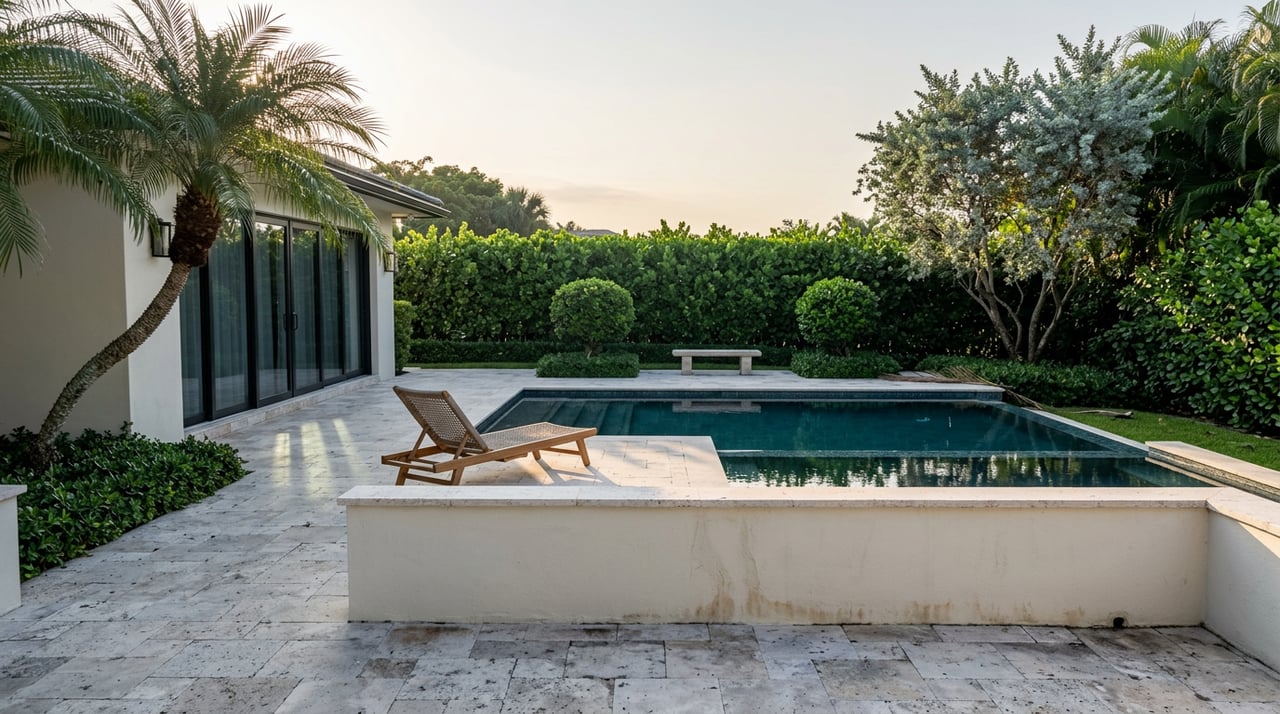
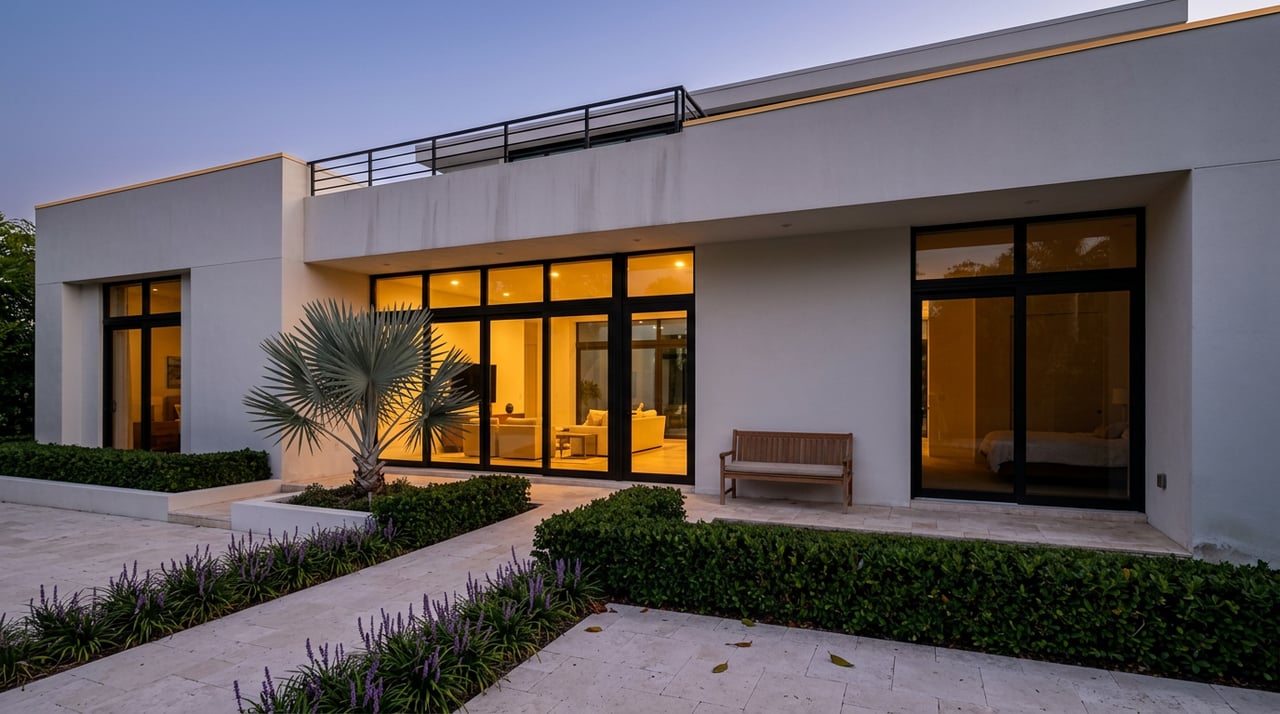
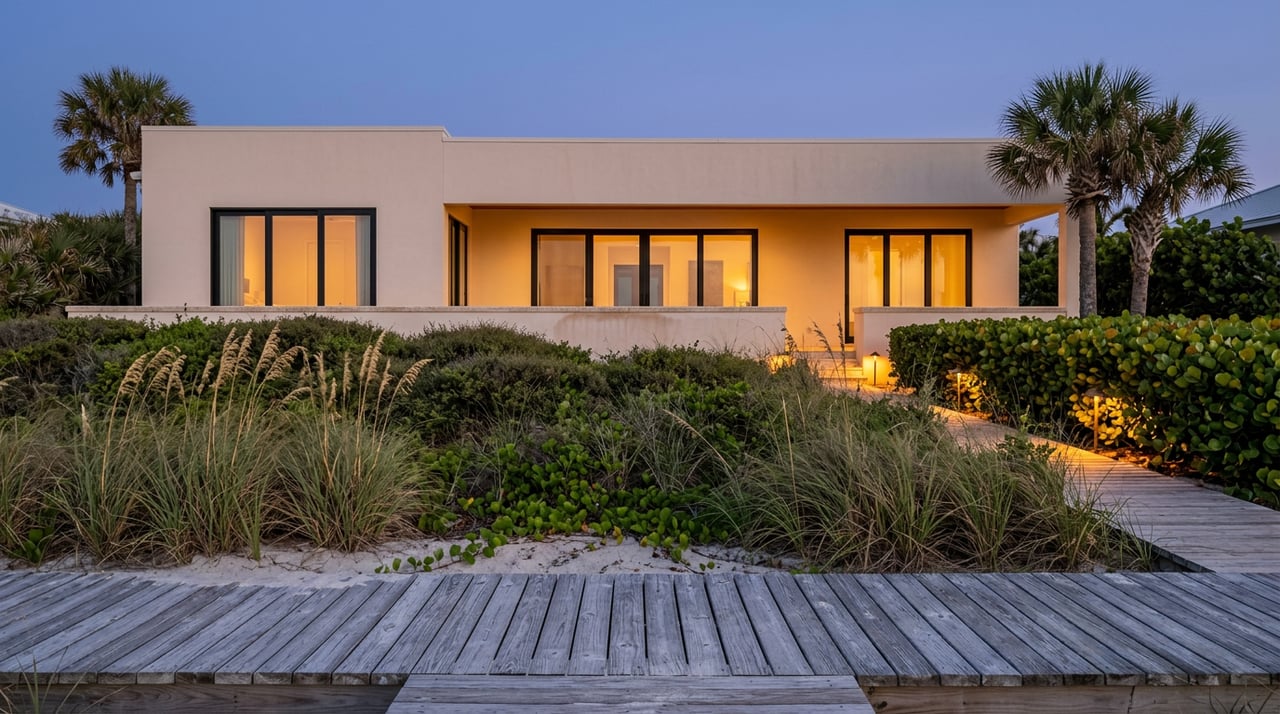

With deep local knowledge and a commitment to excellence, Kelly Gerber provides a refined real estate experience built around your success.
Kelly Gerber
444 E Palmetto Park Rd Boca Raton, FL 33432 Kelly Gerber | License# SL3495841 Douglas Elliman of Florida, Inc. | License# CQ1020232