The Completion Date on Your Boca Raton Condo Contract Is a Forecast, Not a Fact
August 27, 2026
August 27, 2026
What exactly does a delivery date on a pre-construction contract promise you?
In downtown Boca Raton right now, the honest answer is: less than the brochure implies. Three condominium projects sit within roughly half a mile of each other on and around East Palmetto Park Road and Mizner Boulevard, all marketed under some version of the word "luxury," all represented at various points as new or nearly finished. Look closely at the public record on each one and you find three entirely different products dressed in the same language. One has moved its own completion date at least four times in public reporting. One is already built, occupied, and selling its last few units at a pace that outstrips anything on the drawing board. One just opened its price list and is asking buyers to accept a number with almost no track record behind it yet.
The thesis worth sitting with before you sign anything: in this market, the completion date printed in a sales gallery is a forecast the developer is making about its own construction schedule, not a fact you are purchasing. What actually protects you while that forecast moves is Florida condominium law, and what tells you whether the forecast is likely to hold is how much of the building is already sold.
Here is how the three compare as of August 2026.
| Project | Price movement | 2026 sales signal | Completion status |
|---|---|---|---|
| Glass House Boca Raton | Launched at $2.5M in February 2024; now quoted $2.7M to over $8M | Past one-third of 28 residences sold as of March 2026 | Still under construction; publicly reported completion has moved from autumn 2026 at launch, to Q2 2027 in 2025 estimates, to summer or late 2027 in the developer's March 2026 financing announcement, to the fourth quarter of 2027 as of a July 2026 sales-team announcement |
| ALINA Residences (220 building) | Not newly launched; final tower of a delivered three-building campus | Over $90M in 2026 sales, including roughly $30M in about 60 days this summer, leaving 10 developer residences | Already built. ALINA 220 received its temporary certificate of occupancy in January 2025 and has been closing since |
| Mr. C Residences | New entrant, reported from around $1.7M | Early in its sales cycle | First branded hospitality-driven condo tower in downtown Boca Raton in more than a decade |
That third column is the one worth staring at. Glass House is a project whose finish line has genuinely moved in public reporting, from an autumn 2026 target announced at its February 2024 sales launch, to a Q2 2027 estimate the following year, to summer or late 2027 in a March 2026 financing announcement, to the fourth quarter of 2027 following a July 2026 announcement that Douglas Elliman's sales team had added Tal Ziv, daughter of developer Noam Ziv, to the Glass House roster. That March 2026 announcement was the $70 million construction loan the project secured from Maxim Capital, brokered by Arrow Real Estate Advisors, to fund the tower through vertical construction, and by June 2026 the developer confirmed the structure had begun rising above ground after more than a year of foundation work following an April 2025 groundbreaking. Each of those milestones is real progress. None of them is a fixed date. The entry price has also risen alongside the schedule, from $2.5 million at launch to $2.7 million now, with the top end climbing from roughly $6.9 million to over $8 million.
ALINA sits at the opposite end of that spectrum. Its 220 building already has its certificate of occupancy and has been closing on units since early 2025, which means a buyer today is not purchasing a forecast at all. They are purchasing a finished, occupied residence in a campus that has already sold out its first two towers. The urgency in ALINA's case is inventory, not construction risk: only 10 developer residences remain, and the building recently earned an inaugural Forbes Travel Guide VERIFIED designation for its residences.
Mr. C is different again. As the city's first branded hospitality condo tower in over a decade, it is early enough in its cycle that there is little sales velocity to read yet. A buyer there is making a bet less on a specific date and more on the brand and the concept holding its value once the building materializes.
Three towers, three genuinely different products. Treating them as interchangeable "new construction in Boca Raton" is how a buyer ends up comparing the wrong risks against the wrong price.
Florida condominium law does not promise you a date. It promises you a structure around your money while the date is uncertain.
Under Florida Statute 718.202, a developer selling a condominium unit that has not been substantially completed must place up to 10 percent of your purchase price into an escrow account rather than spending it. Any amount beyond that 10 percent can only be used for actual construction of the property, and only if your contract says so in writing. If a developer fails to honor these escrow requirements, the statute renders the contract voidable at your option, with your deposit refunded plus interest at the prevailing savings rate.
The protection is not that your building arrives on schedule. The protection is that if it does not, your money was never fully at the developer's disposal to begin with.
Florida law also gives buyers a rescission window after receiving the required disclosure documents, and if a closing happens more than a year after those documents were first filed, which is exactly the kind of gap a delivery date drifting from 2026 to 2027 creates, buyers are entitled to a current, updated operating budget before they close. That single requirement exists precisely because schedules like the one Glass House has published change, and the cost assumptions behind a building's monthly fees can change with them.
None of this is a reason to avoid pre-construction. It is a reason to read the escrow terms in your contract as carefully as you read the floor plan.
A schedule moving from autumn 2026 to the fourth quarter of 2027 is not, by itself, alarming. Vertical construction on a nine-story building beginning in mid-2026 after more than a year of foundation work is a normal sequence. What matters to you as a buyer is not whether the date moved. It is what that movement costs you personally: a longer stretch where your deposit sits in escrow rather than earning you anything elsewhere, a longer window before you can move in or rent the unit, and a longer gap before you see the operating budget that will tell you what your actual monthly costs look like once the building is running.
A building like ALINA 220, already occupied and selling through its last ten units, carries none of that exposure. That is precisely why sellers there can move $30 million of inventory in about 60 days during a summer that is traditionally slower in South Florida. The buyer isn't underwriting a schedule. They're buying a finished thing.
A buyer weighing Glass House against ALINA against Mr. C is not really choosing between three similar condos. They are choosing between a construction bet with a moving finish line, a finished building with almost no inventory left, and a brand-new entrant with no track record yet. Each of those is a legitimate choice. None of them should be evaluated using the same checklist.
As sales director for Glass House Boca Raton, I've watched this particular schedule move in real time and understood what that movement did and did not change for the buyers already under contract. If you're comparing downtown Boca Raton's live pre-construction and new-construction options and want someone who can read a prospectus, an escrow schedule, and an absorption rate the way you'd want it read before you sign, Kelly Gerber would welcome the conversation. Let's Connect.

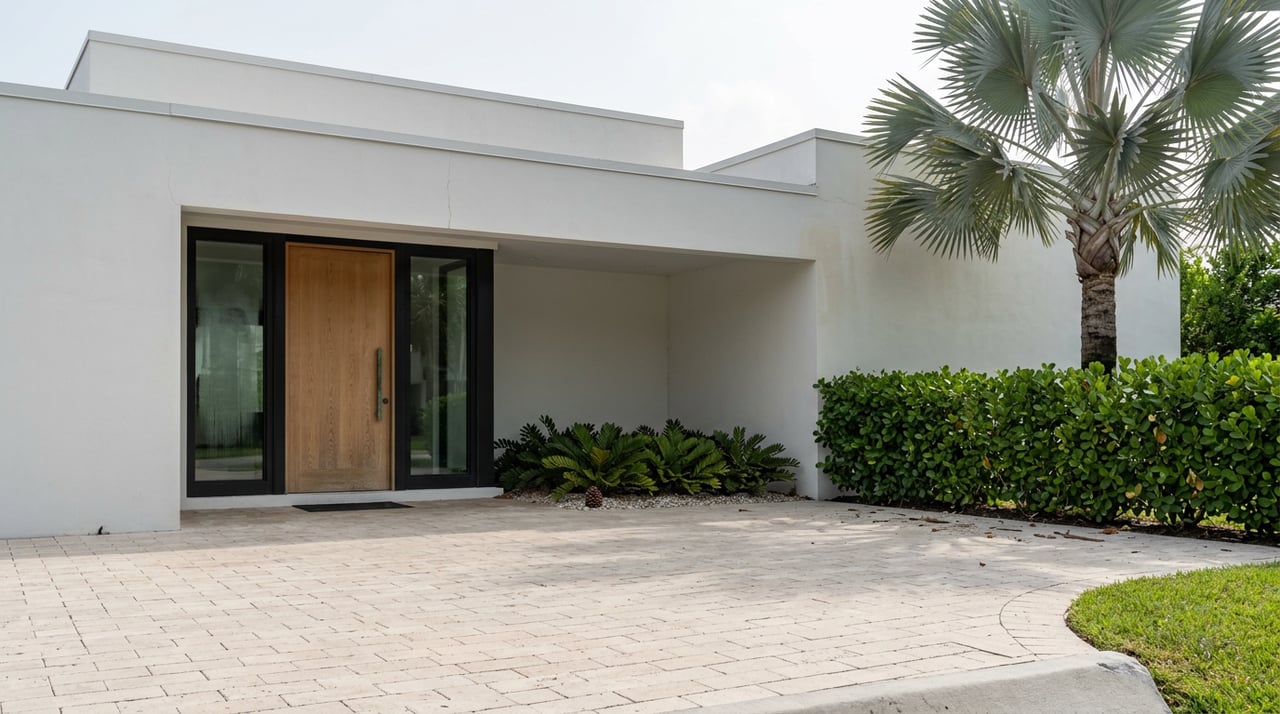
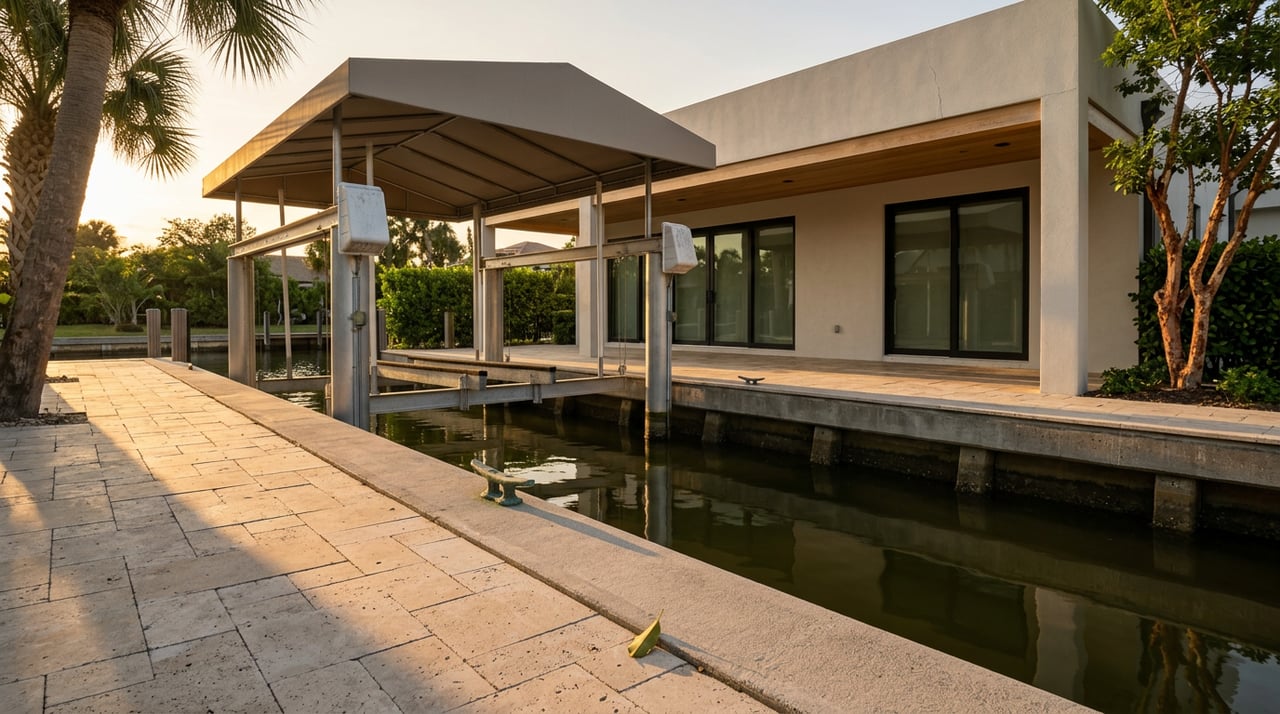

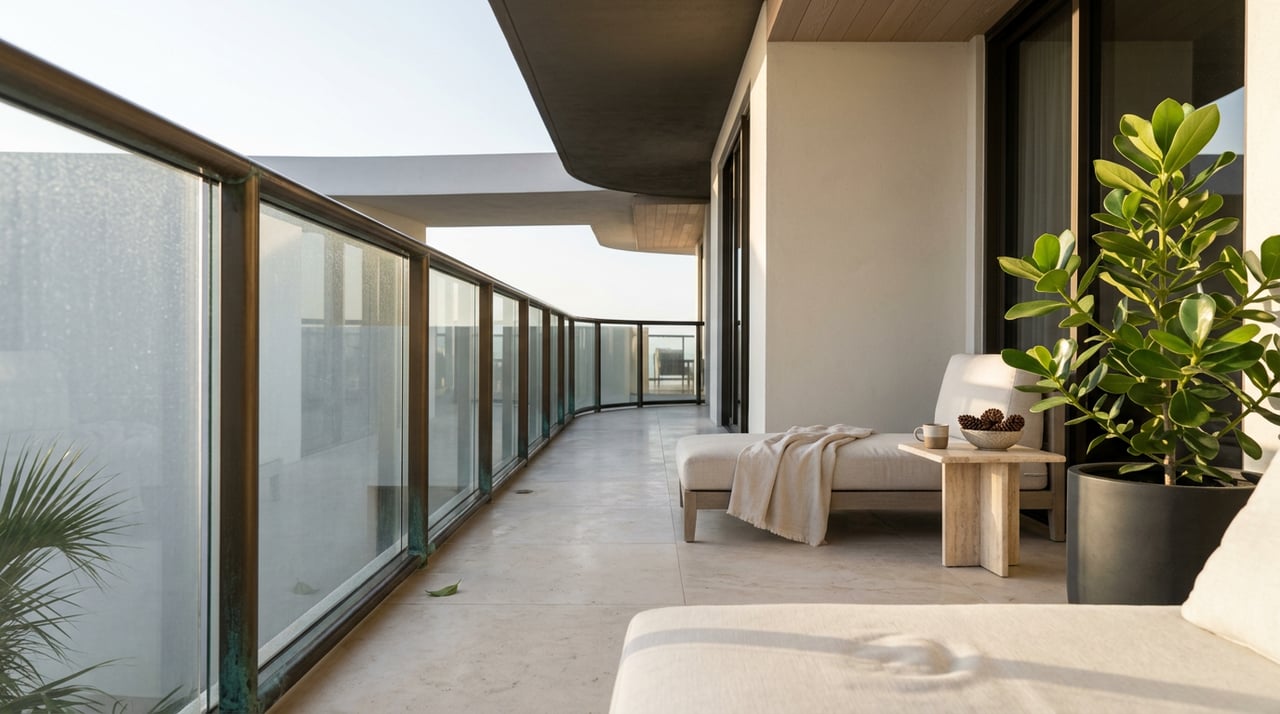
With deep local knowledge and a commitment to excellence, Kelly Gerber provides a refined real estate experience built around your success.
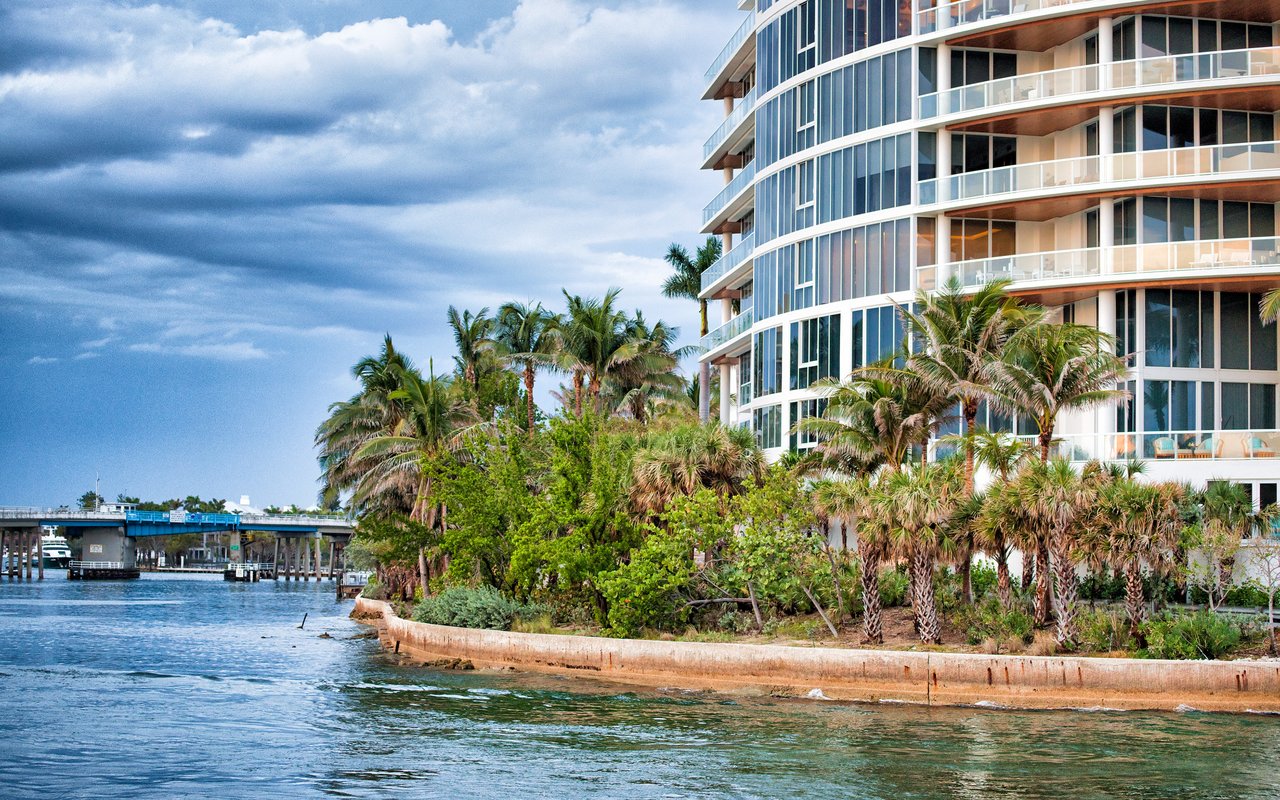
Kelly Gerber
444 E Palmetto Park Rd Boca Raton, FL 33432 Kelly Gerber | License# SL3495841 Douglas Elliman of Florida, Inc. | License# CQ1020232